
How Much Does a Solar System Cost in Kenya? (2026 Guide)
Solar energy is one of the fastest-growing investments in Kenya, but one of the most common questions we hear is: "How much will this actually cost me?"
The honest answer: it depends on your consumption, application, and system type. Here is a clear breakdown of what to expect in 2026.
Quick Reference: Indicative System Costs
| System Type | Size | Indicative Cost Range |
|---|---|---|
| Off-Grid Starter Kit (Entry) | 180–190W | From KES 38,000 |
| Off-Grid Starter Kit (Standard) | 225–275W | From KES 72,000 |
| Home Hybrid System | 3–5 kWp | KES 200,000–400,000 |
| Medium Home / Business | 6–10 kWp | KES 380,000–700,000 |
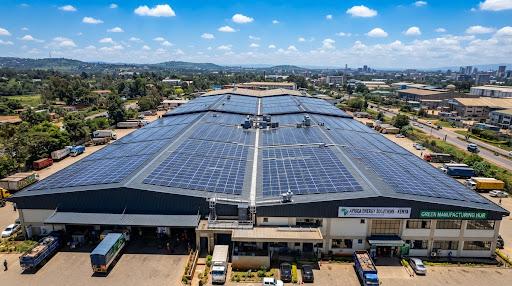
| Commercial Rooftop | 20–50 kWp | KES 1.8M–5M+ |
| Agricultural Pumping | 10–30 kWp | KES 900,000–3M+ |
Note: All figures are indicative and vary by battery chemistry, brand tier, site conditions, and current exchange rates. Request an assessment for your exact figure.
What Drives the Cost of a Solar System?
1. System Size (kWp)
The more electricity you need, the more panels and battery capacity you require. System size is calculated from your monthly consumption (kWh) and peak demand (kW).
2. Battery Chemistry
- Lead-acid / Gel batteries: Lower upfront cost, 3–5 year lifespan, require maintenance.
- LiFePO₄ lithium batteries: Higher upfront cost (2–3x), 10–15 year lifespan, virtually maintenance-free, better depth of discharge.
Over 10 years, lithium is almost always cheaper in total cost of ownership.
3. Grid-Tied vs Hybrid vs Off-Grid
Grid-tied (no battery) is the cheapest way to reduce your KPLC bill. Hybrid adds battery storage for backup. Off-grid is fully independent but requires more battery capacity.
4. Installation Complexity
Rooftop mounting on a standard structure is straightforward. Agricultural ground-mount, 3-phase systems, or remote site logistics add cost.
Is Solar Worth It in Kenya?
At current KPLC tariffs (approximately KES 22–28 per kWh depending on consumer category), a well-designed solar system typically pays back in 4–7 years and then generates essentially free electricity for the remaining 18+ years of its lifespan.
For a commercial operation spending KES 200,000+ per month on electricity, the ROI case is almost always compelling.
How to Get an Accurate Quote
The only way to get a reliable cost figure is a proper site assessment covering:
- Your electricity bills (or generator logs) for the past 6–12 months
- Critical vs non-critical loads
- Site roof or ground space survey
- Future expansion plans
Ready to take the next step?
Get a free solar assessment from our EPRA-licensed engineers. No obligation, no guesswork.
Get a Free Solar Assessmentarrow_forward